Article: What Is Lolita Fashion? A Complete Guide to Dresses, Style & Culture
What Is Lolita Fashion? A Complete Guide to Dresses, Style & Culture
What Is Lolita Fashion?
A Complete Guide to This Enchanting Style
If you've ever come across photos of women in elaborate lace dresses, petticoats, and bows and wondered, "what is Lolita fashion?" — you're not alone. Lolita fashion has grown from a niche Japanese street style into a beloved global subculture, and at Lolita Era, we live and breathe this aesthetic every day.

In this guide, we'll break down everything you need to know: what Lolita fashion is, where it came from, the main style categories, and how to build your first Lolita wardrobe — dresses, shoes, bags, and accessories included.
What Is Lolita Fashion?
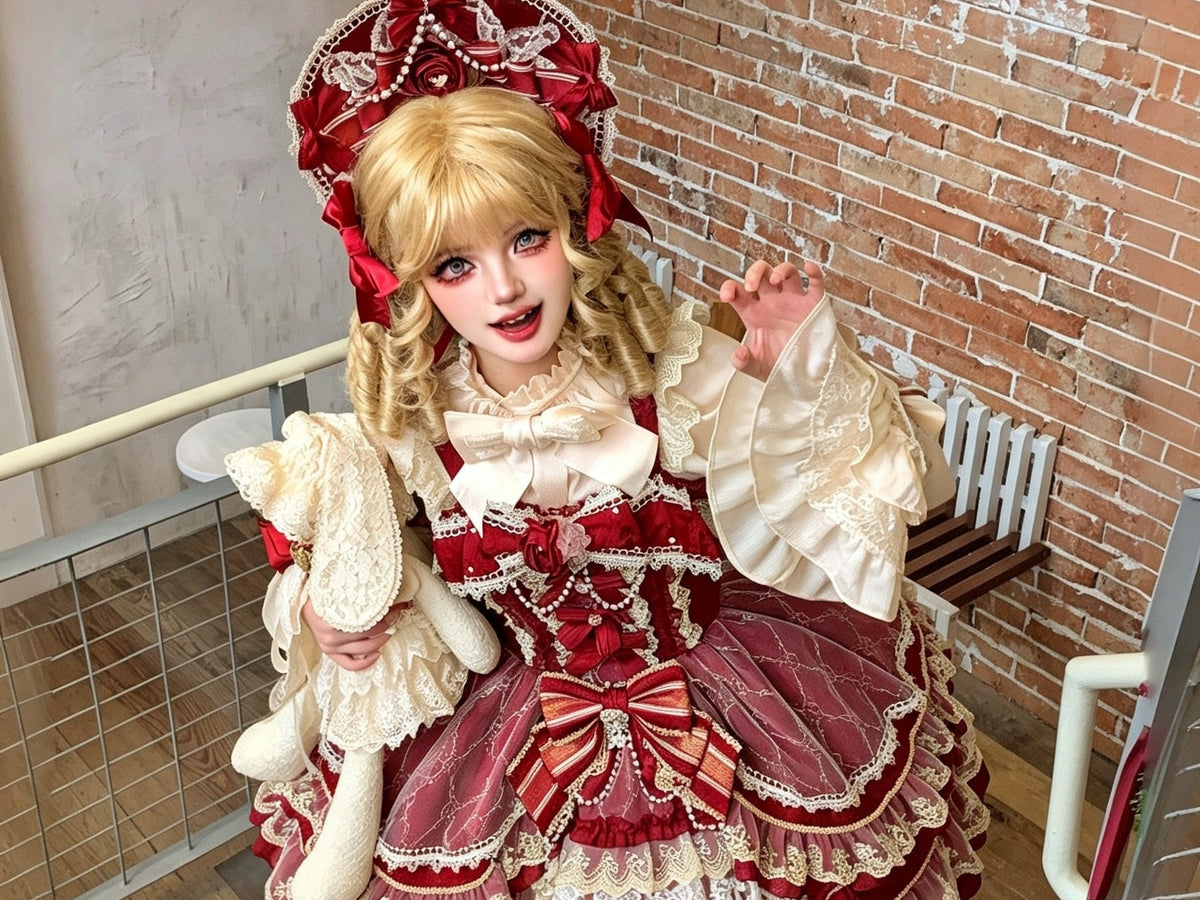
Lolita fashion is a style of dress inspired by Victorian and Rococo-era clothing, reimagined with a playful, doll-like silhouette. Key pieces typically include:
-
JSK (Jumper Skirt) — a sleeveless dress worn over a blouse
-
OP (One Piece) — a full dress with sleeves
-
Petticoats to create the signature bell-shaped skirt
-
Blouses, headdresses, and accessories to complete the look

It's important to clarify: despite the name, Lolita fashion has no connection to the novel of the same name. It's rooted purely in modesty, elegance, and self-expression — coverage is a core value of the style, not an afterthought.
A Brief History of Lolita Fashion
Lolita fashion emerged in Japan in the 1980s and 1990s, growing out of the Harajuku street fashion scene. It draws heavily from historical European fashion — think lace, ruffles, and structured silhouettes — filtered through a distinctly Japanese sense of cuteness (kawaii) and craftsmanship. Over the past two decades, the style has spread worldwide, with active Lolita communities across North America, Europe, and beyond.
The Main Types of Lolita Fashion
If you're new to the style, these are the substyles you'll encounter most often:
Sweet Lolita
Pastel colors, prints of sweets, fruits, or animals, and an overall dreamy, storybook feel. Sweet Lolita is often the most recognizable style to newcomers.

Gothic Lolita
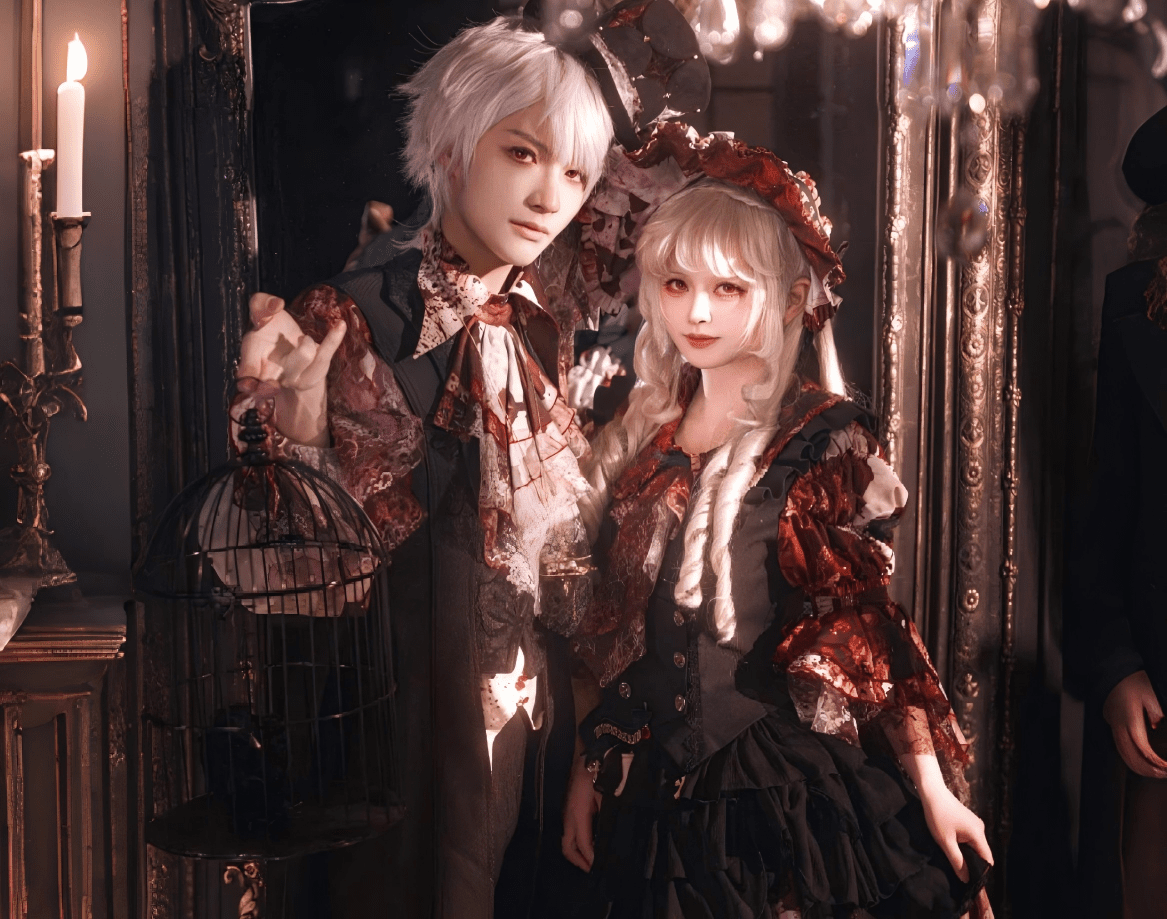
Darker color palettes (black, deep reds, navy), often with religious or Victorian motifs. Gothic Lolita blends elegance with a moodier, more dramatic aesthetic.

Classic Lolita
Muted, sophisticated colors and vintage-inspired prints. Classic Lolita leans mature and refined, often resembling antique European fashion plates.

There are many other substyles too — Qi Lolita, Wa Lolita, Punk Lolita — but Sweet, Gothic, and Classic remain the three foundational pillars most people start with.
How to Start Dressing Lolita: A Beginner's Checklist
Building a first Lolita coordinate (often called a "coord") can feel overwhelming. Here's a simple breakdown:
-
Choose your substyle — Sweet, Gothic, Classic, based on the colors and mood you're drawn to
-
Pick your main piece — a JSK or OP dress in that style
-
Layer a blouse underneath if you chose a JSK
-
Add a petticoat for volume and shape
-
Complete the coord with matching shoes, a bag, and accessories like headbows or hairclips

At Lolita Era, we design our dresses, shoes, bags, and accessories to work together as complete coordinates — so you're not left guessing what pairs well with what.
Why Lolita Fashion Is More Than "Just a Dress"
Lolita has never been just a dress.
It's the quiet daydreams tucked into every lace ruffle. It's the small, careful ritual of putting on a JSK. It's the courage to stay true to yourself, even standing out in a crowd.
That belief is exactly why Lolita Era exists. We design every piece — from dresses to shoes, bags, and accessories — with thoughtful tailoring, considered fabrics, and a balance of sweetness and elegance that feels just right. Our goal isn't to sell you a single item, but to help you build an entire Lolita lifestyle, coordinate by coordinate.
Whether you're just stepping into the Lolita community or you've been part of it for years, Lolita Era wants to walk this path with you — helping you wear your fantasies and turn fairy tales into everyday life.